
Search
Site Preferences


Styx
The River (Standard Edition)

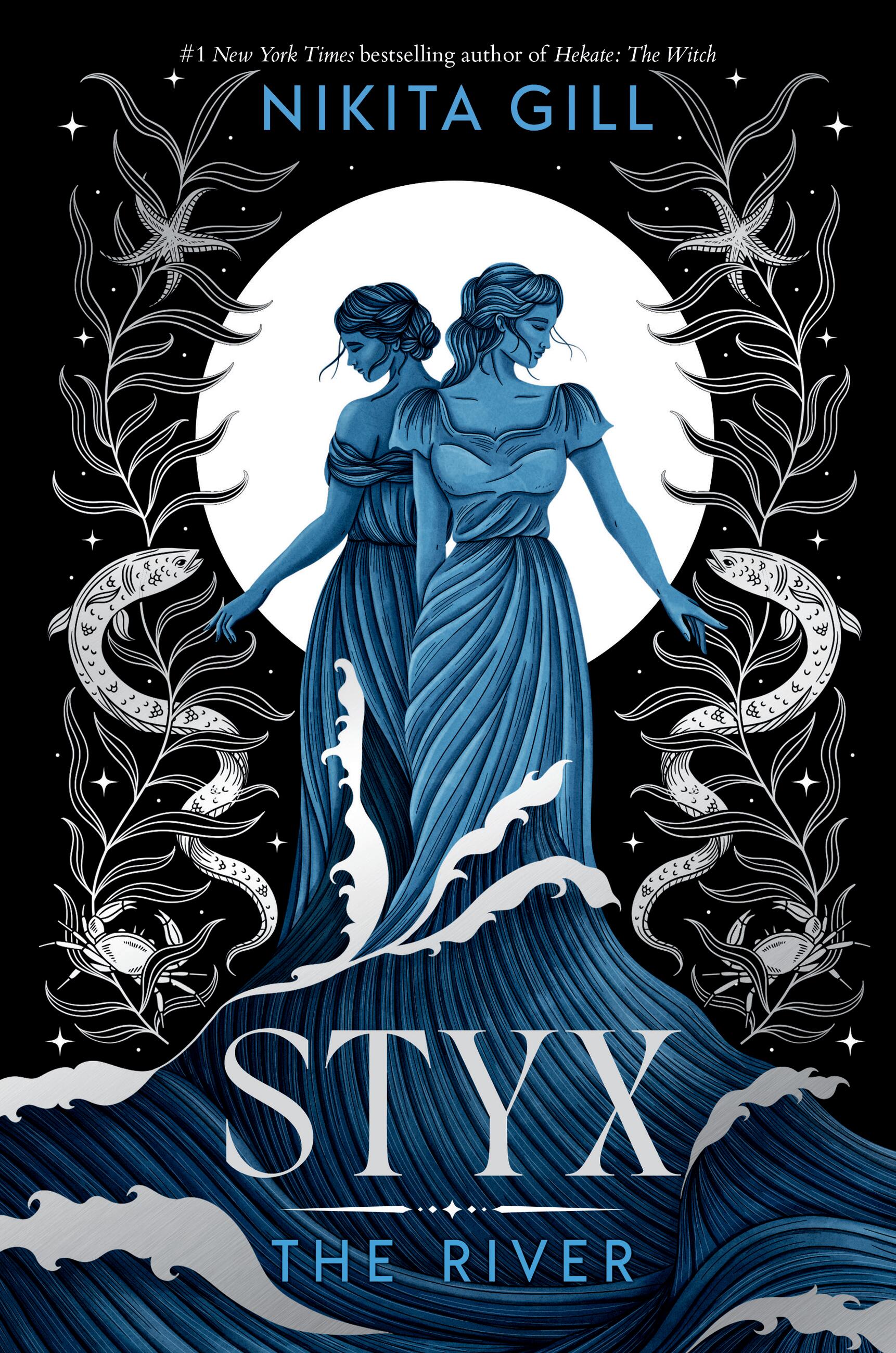
Perfect for fans of Madeline Miller and Alexandra Bracken, this richly imagined retelling of the Greek myth of Styx, goddess of the underworld river, is a powerful novel-in-verse from world-renowned poet Nikita Gill.
Before the tale of Zeus and Hera, and their powerful siblings, there were the Titans. A golden age of divinity when the earth was still new. Back then, there was no hierarchy. There were simply Gods and Goddesses. Until one God broke the sacred peace and decided that under his new order, lesser Goddesses would lose their divinity and were instead named nymphs.
But Goddesses are an ancient force, unanswerable to anyone. This is an untold story of a nymph who fought the odds. A tale of a nymph who became a Goddess.
This fierce and heartrending tale of sisterhood, identity, love, and war reimagines a Greek myth to explore the fall of the Titanomachy and showcases the coming of age of one of the most infamous deities of the underworld.
Meet all the Goddesses of the Underworld:
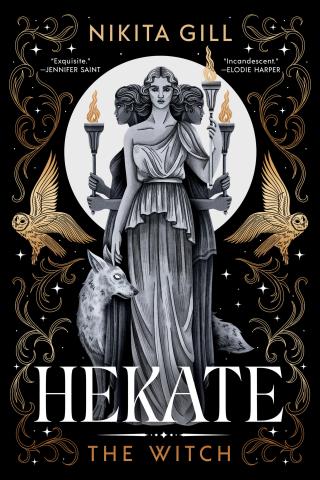
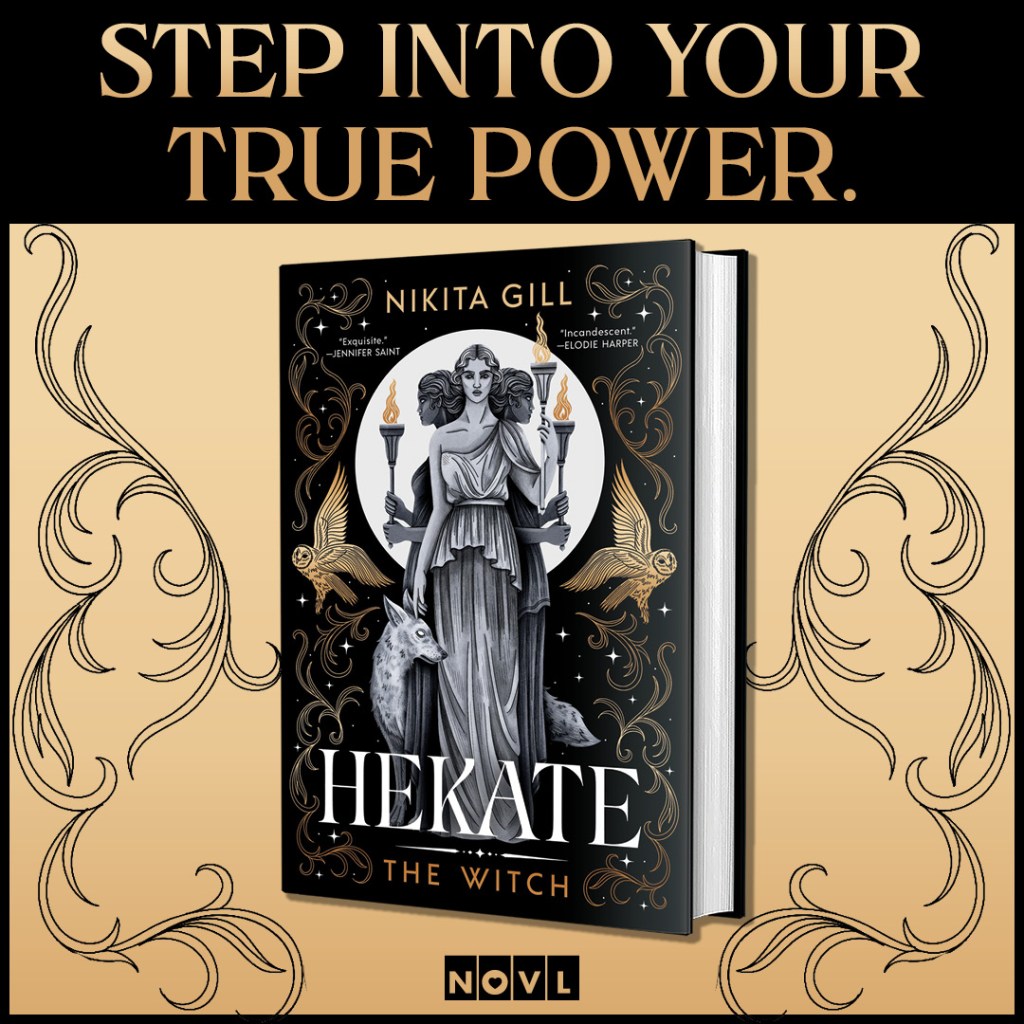
Hekate: The Witch
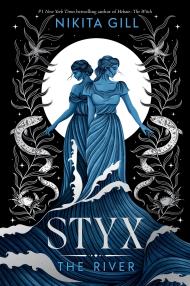
Styx: The River
Nyx: The Night (coming Fall 2027!) Goodreads
Formats and Prices
Price
$19.99Price
$25.99 CADFormat
Format:
Buy from Other Retailers:
You May Also Like

ABOUT THE AUTHOR

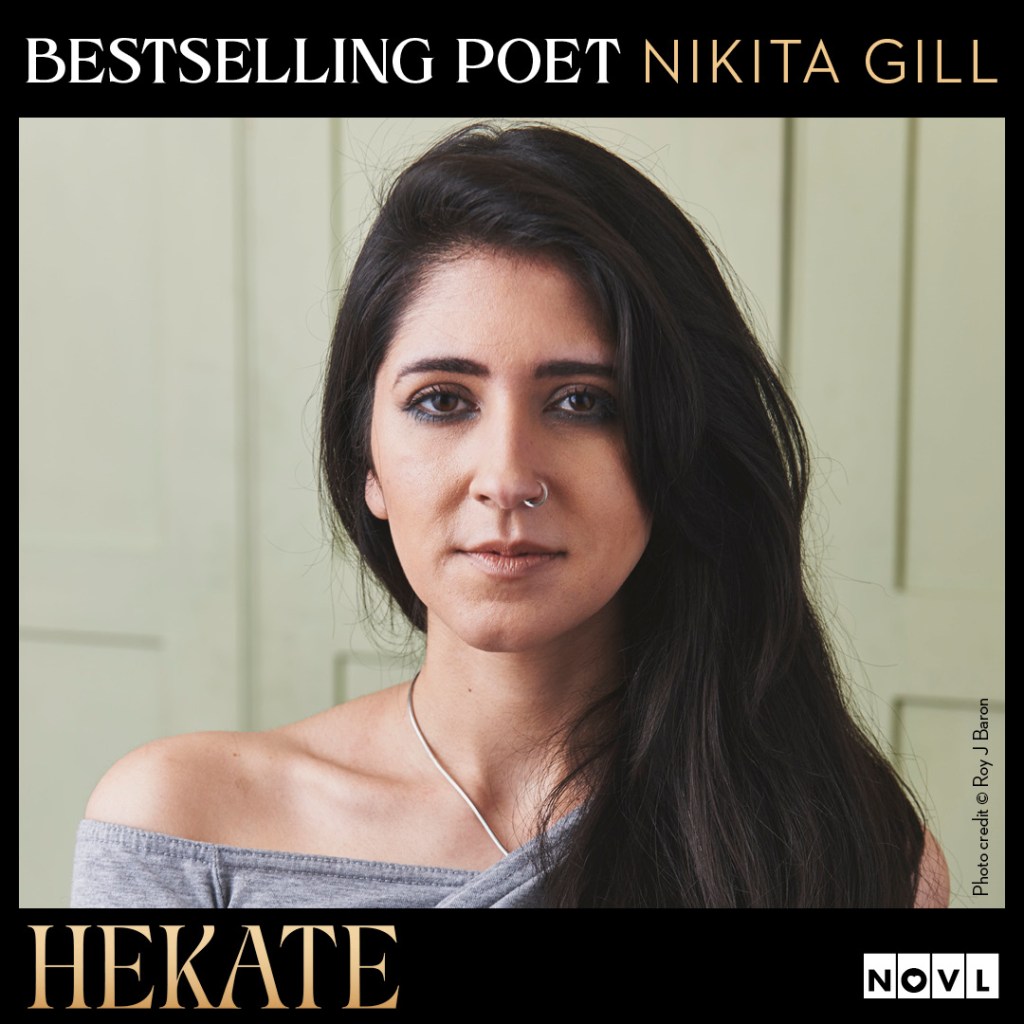
Nikita Gill is an Irish Indian poet and New York Times bestselling author who has the attention of over 800,000 Instagram followers worldwide for her work. Her work offers a shift of perspective which centers women in both Greek and Hindu myth as well as folklore. Gill has written two verse novels and seven poetry collections, including Fierce Fairytales, Wild Embers, and Where Hope Comes From which she published with Hachette Books.
Fan Behavior
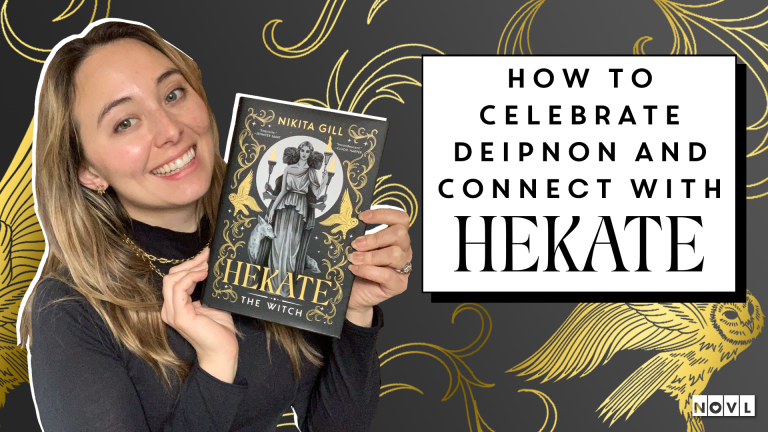
From NOVL Nation
“If you are a lover of Greek mythology retellings, this is a book you will instantly fall in love with.”
– Michelle, @thebookrealmguide
Peek the Audiobook

Hekate Book Club Guide
- How does verse bring this story to life? In what ways does it reflect the Greek mythology it is based upon?
- How does the idea, “A story is a powerful thing” (p. 9) remain a theme throughout the novel? Why is storytelling so important?
- Charon explains to Hekate that, “All things have a purpose. Not every purpose is good” (p. 38). Why is purpose essential? How does Hekate discover her purpose? Does it change over the course of the story?
- Hekate describes her hand, “shaking with rage or sorrow; I no longer knew which one” (p. 39). Why do you think rage and sorrow are so intertwined? In what ways are these differing emotions similar?
- Why does Pallas agree to Hekate remaining in the Underworld? Do you think Pallas or Styx feel obligated? Does guilt play a role in their decision?
- When Hekate learns her father is in the Underworld, she reflects, “Despite it all, I was a hopeful child” (p. 74). How is there hope in so much darkness? Does Hekate remain hopeful?
- Do you agree with Hekate’s observation: “Everyone assumed that to protect children, they must be kept in the dark—no one understood those secrets haunted the same children they were so ardently trying to protect” (p.76). How are secrets beneficial in this story? How are they harmful?
- How does the concept of family change throughout the story? While there are many familial ties among the Gods and Goddesses, how does Hekate find her chosen family?
- Hekate muses, “Perhaps this was what womanhood was. The dangerous knowledge of who you are and what you could do with that power if pushed” (p.263). Why is the knowledge of who you are “dangerous”? How do the women and Goddesses discover and wield their power throughout Hekate?
- The concepts of betrayal and forgiveness are integral to the story. Hekate fights to protect her home, but do you think she forgives the Olympians? Why or why not?
- The Olympians fear what they do not know. Why is this detrimental to everyone? Do you see this happening in the world today?
- Hekate is a reimagining of Greek mythology, but it’s also the story of a child who is a refugee of war. What kind of effect does this type of narrative have on readers who witness or experience similar situations in their own worlds?
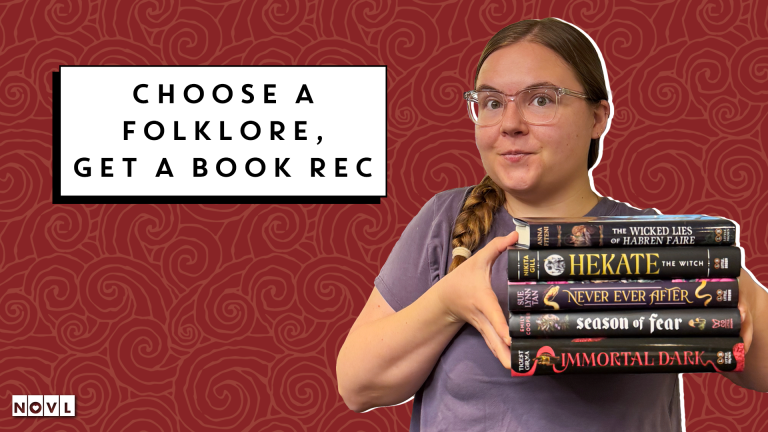
ON THE BLOG

#HekateBook
By clicking ‘Sign Up,’ I acknowledge that I have read and agree to Hachette Book Group’s Privacy Policy and Terms of Use