Search
Site Preferences


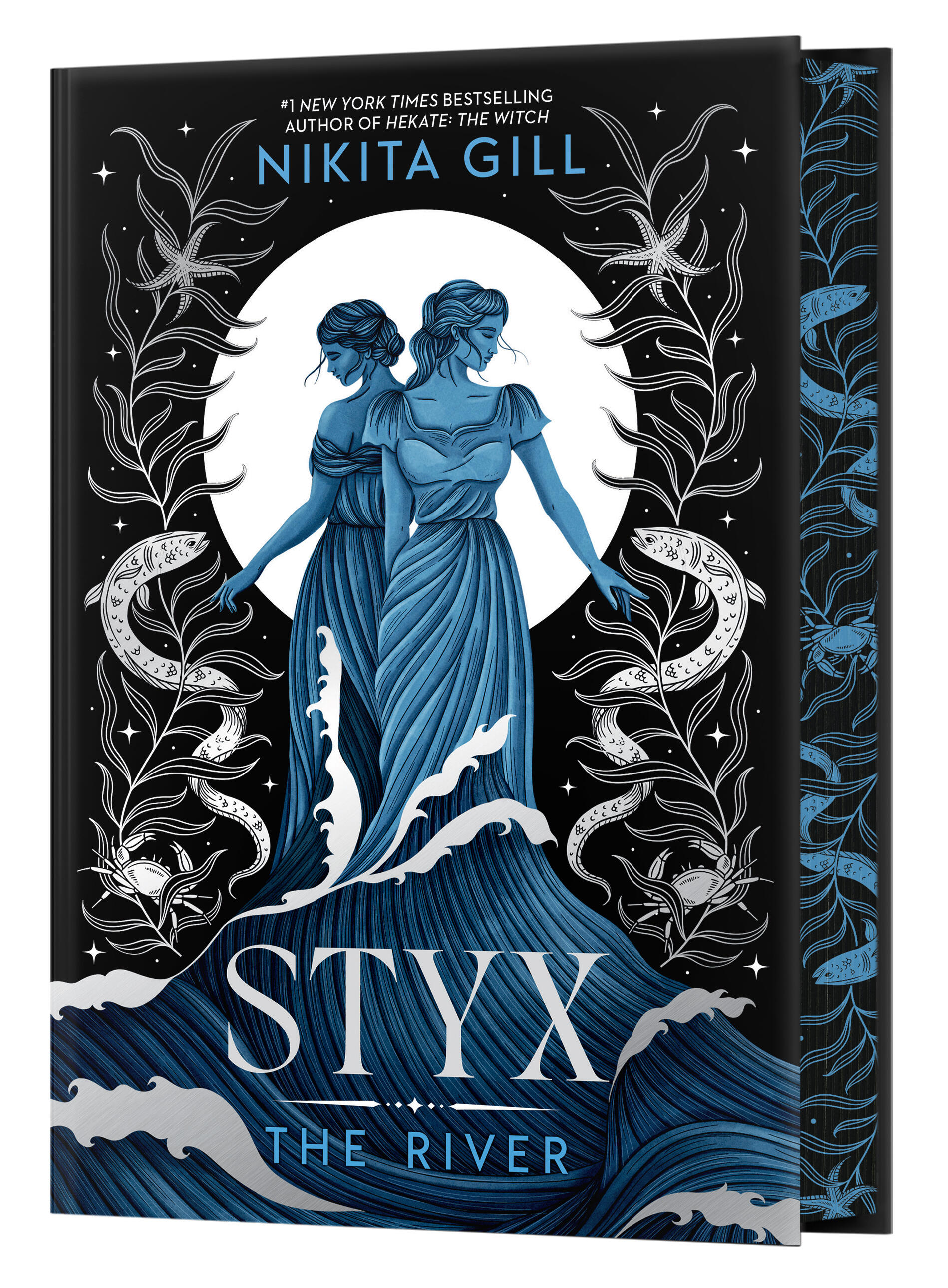
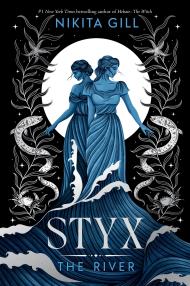
Styx
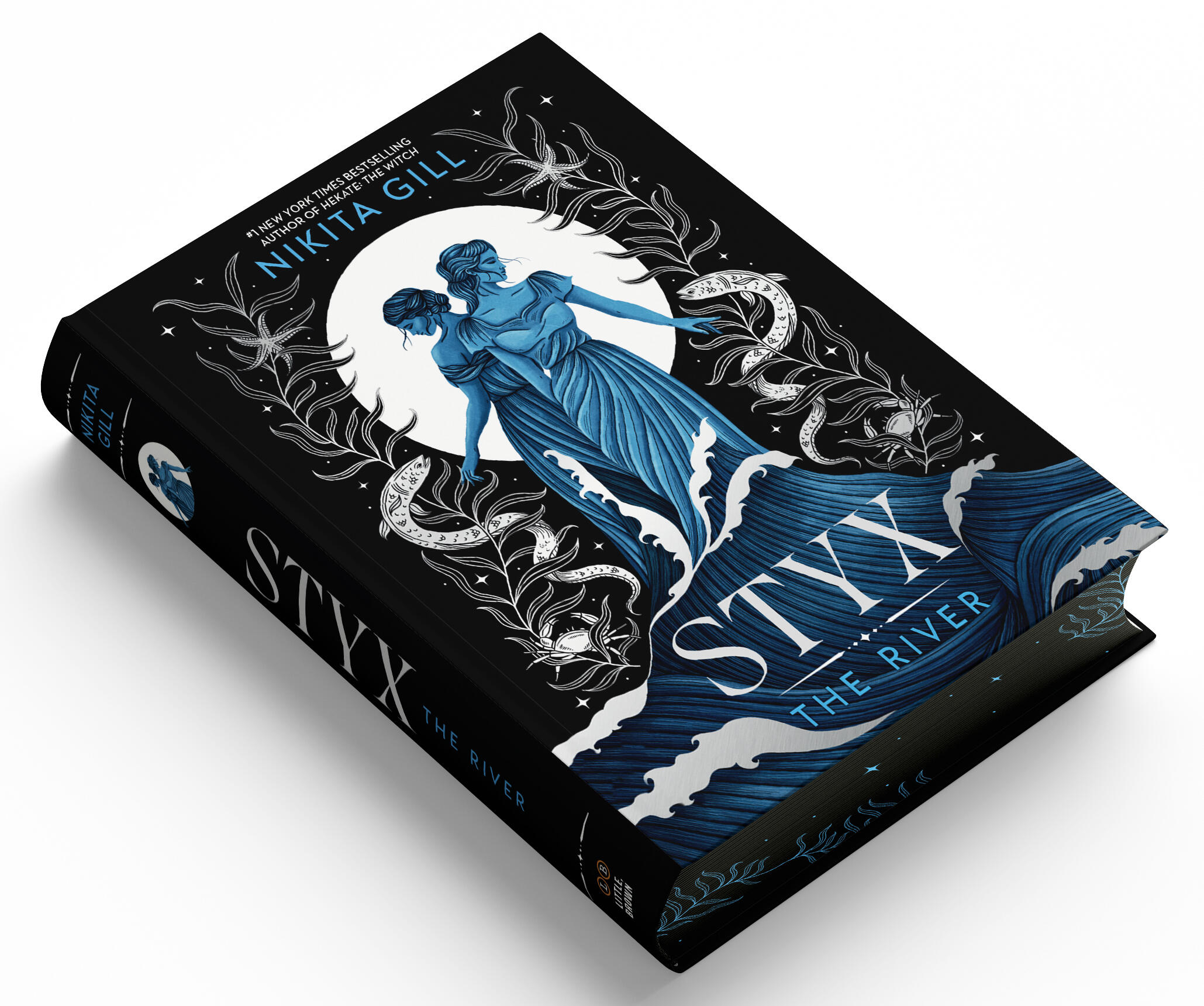
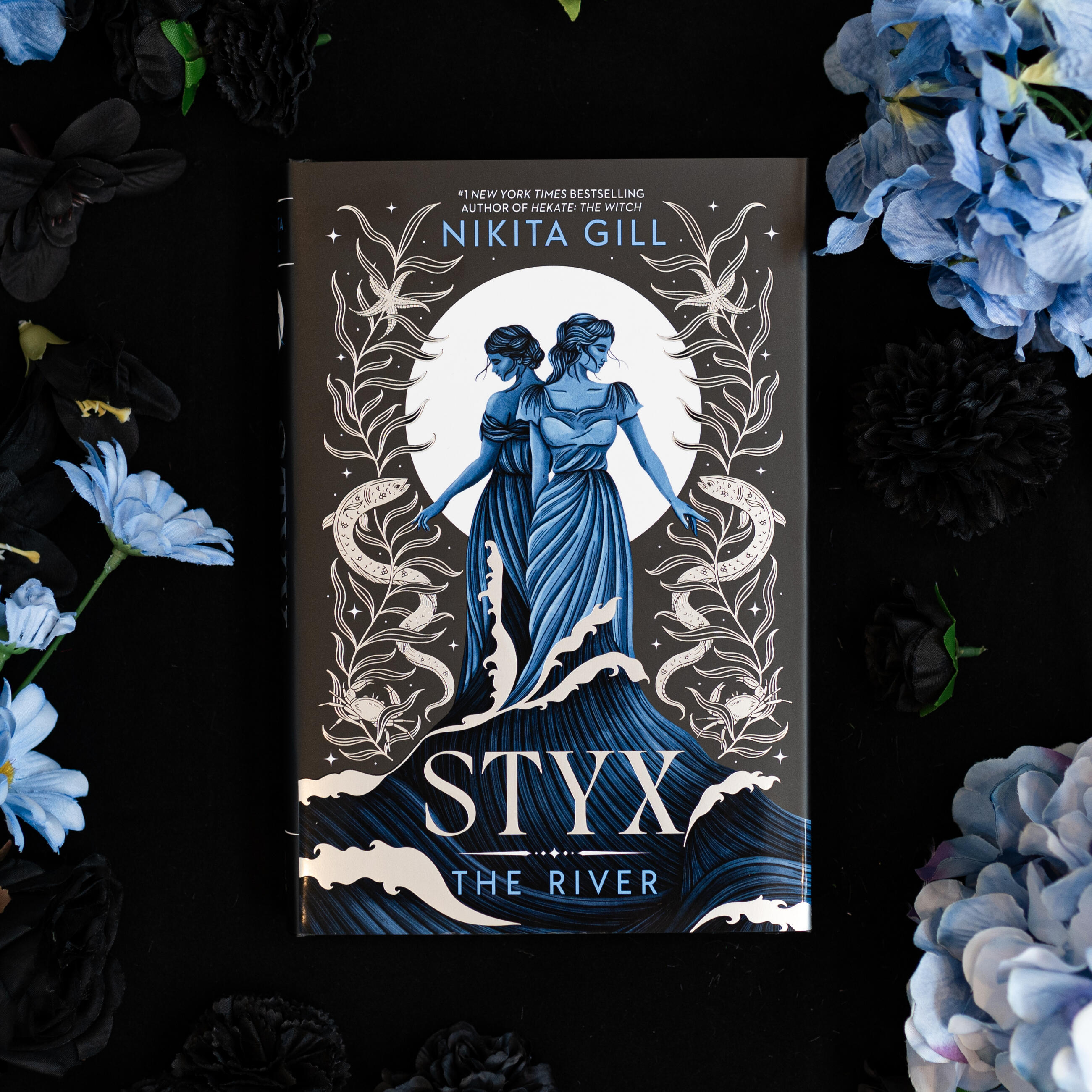
The River (Deluxe Limited Edition)
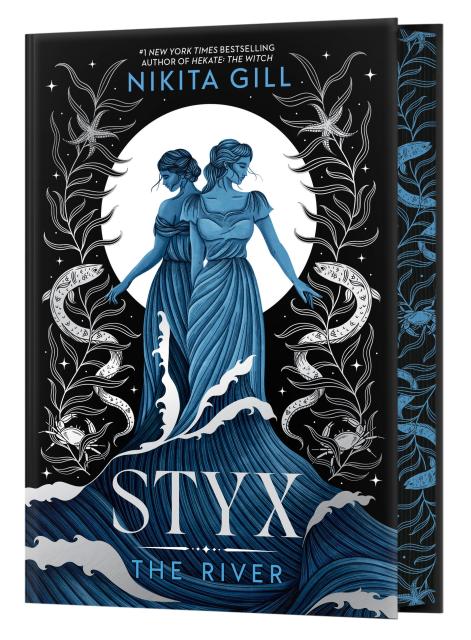
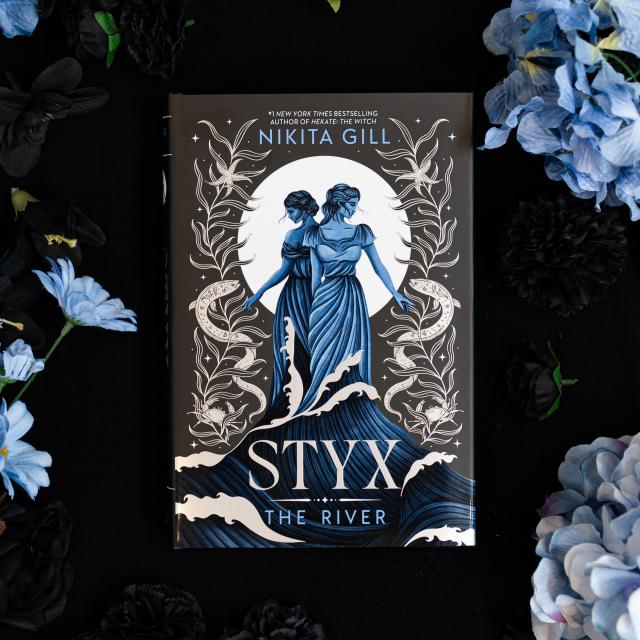
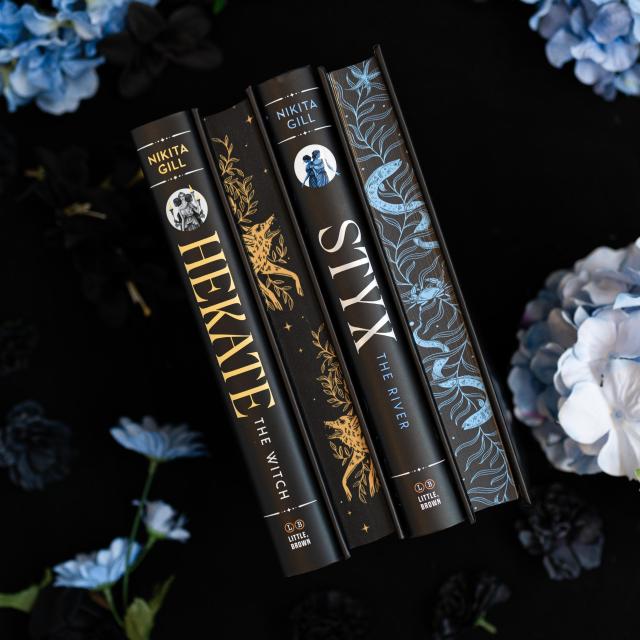
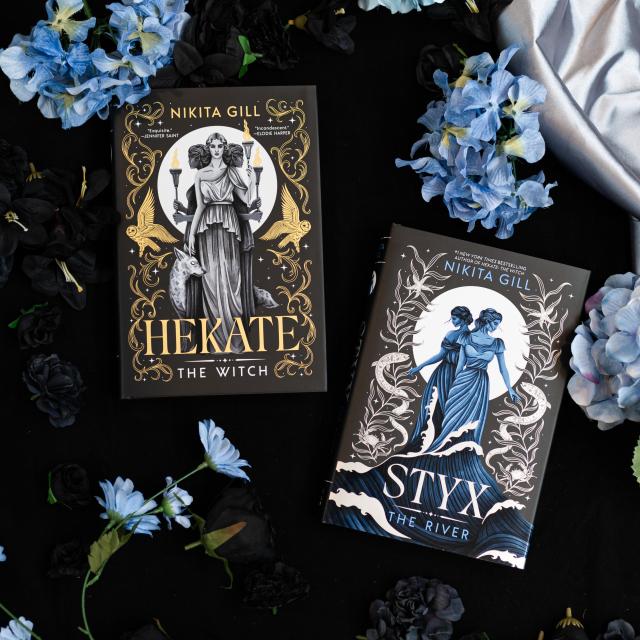
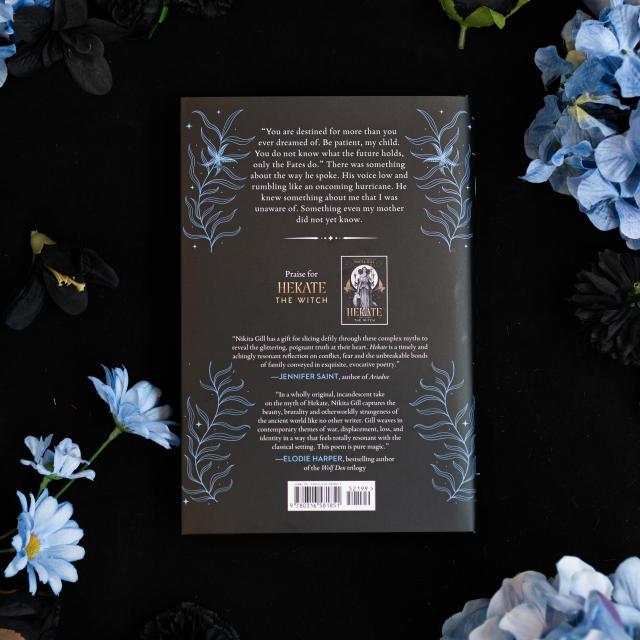
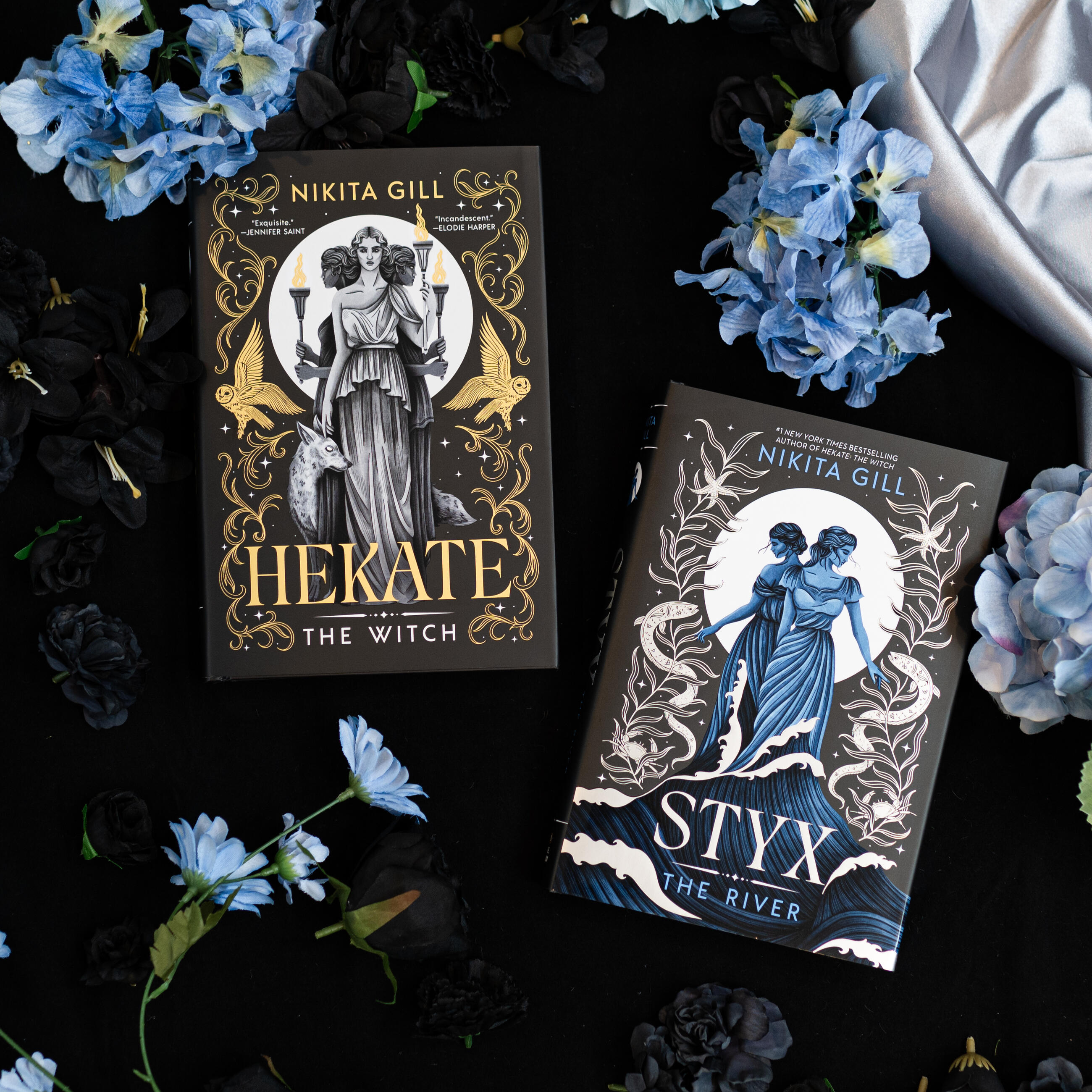
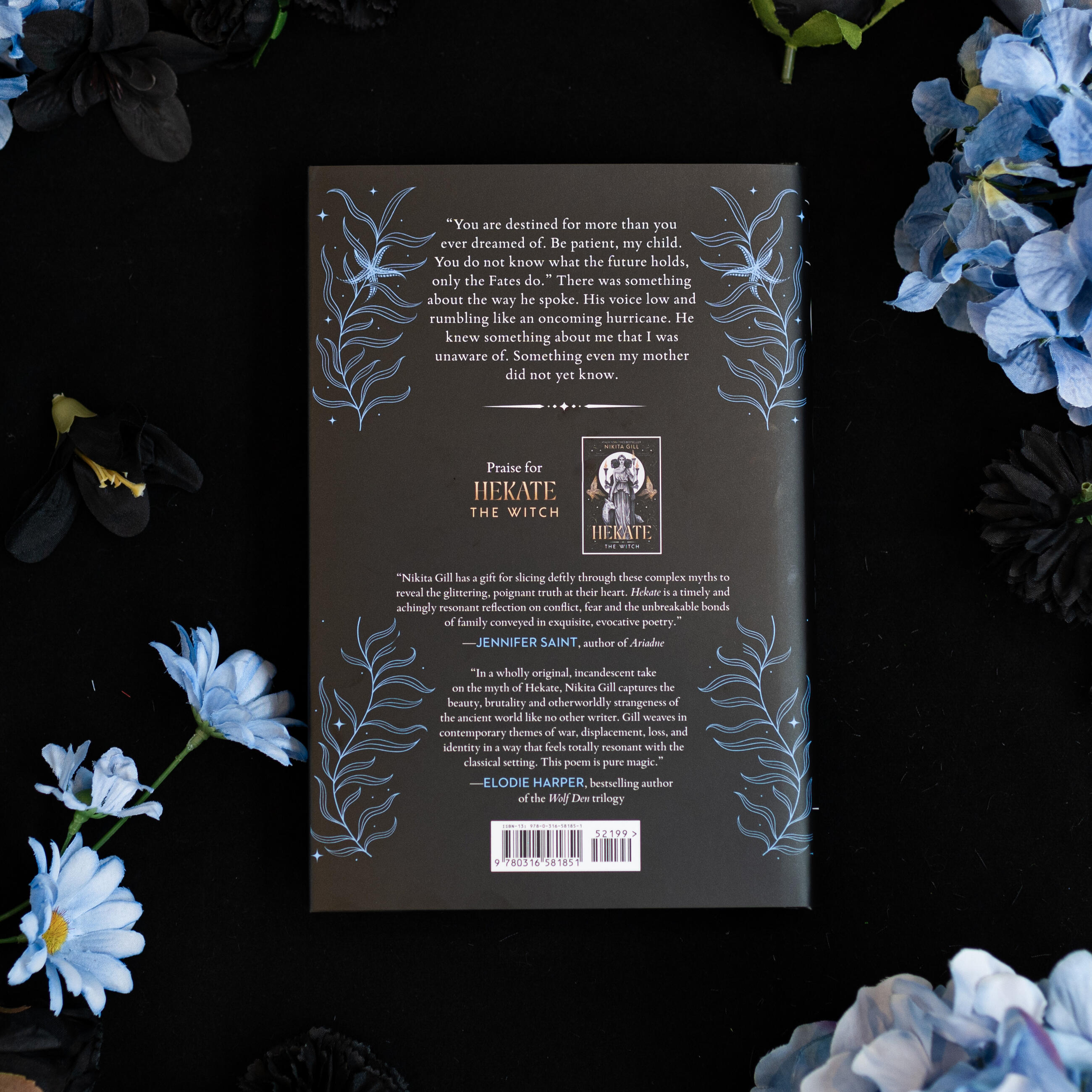
The instant #1 New York Times bestselling series!
This richly imagined retelling of the Greek myth of Styx, goddess of the underworld river, is a powerful novel-in-verse from world-renowned poet Nikita Gill. Perfect for fans of Madeline Miller and Alexandra Bracken.
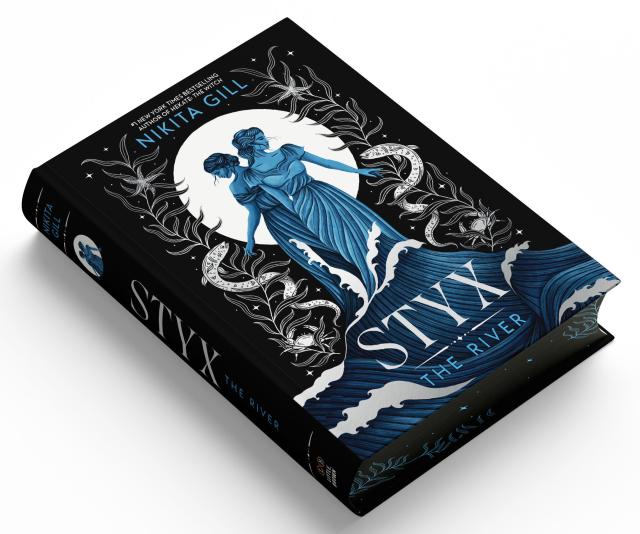
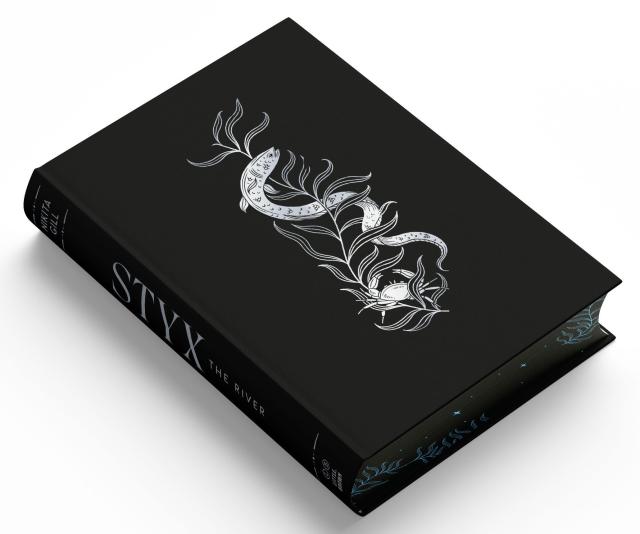
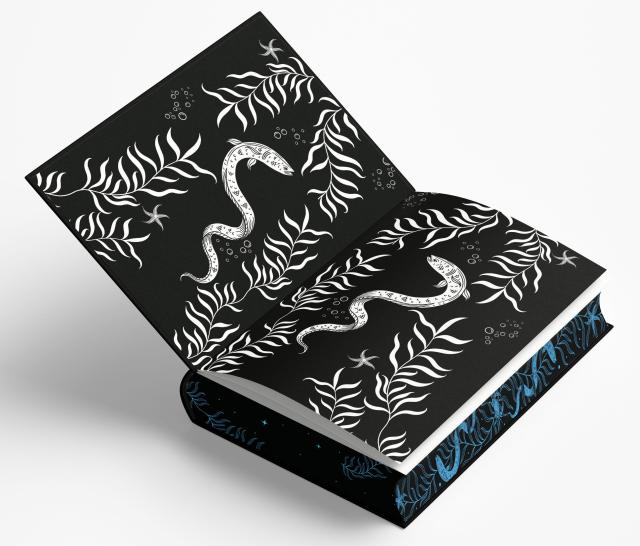
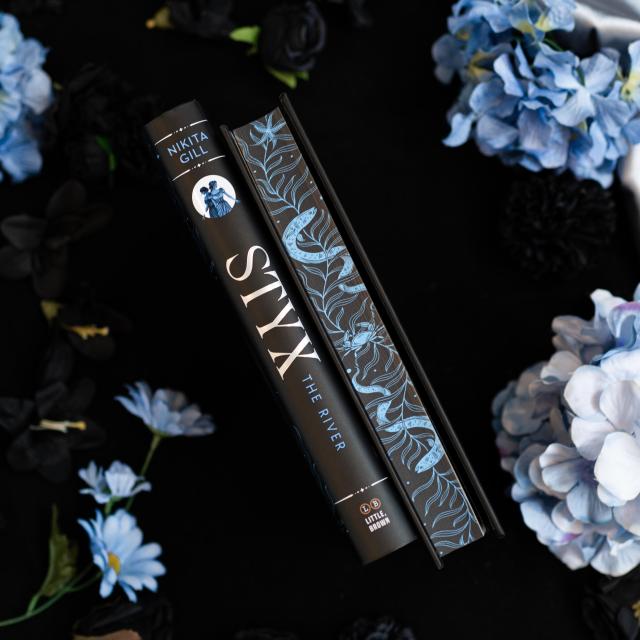
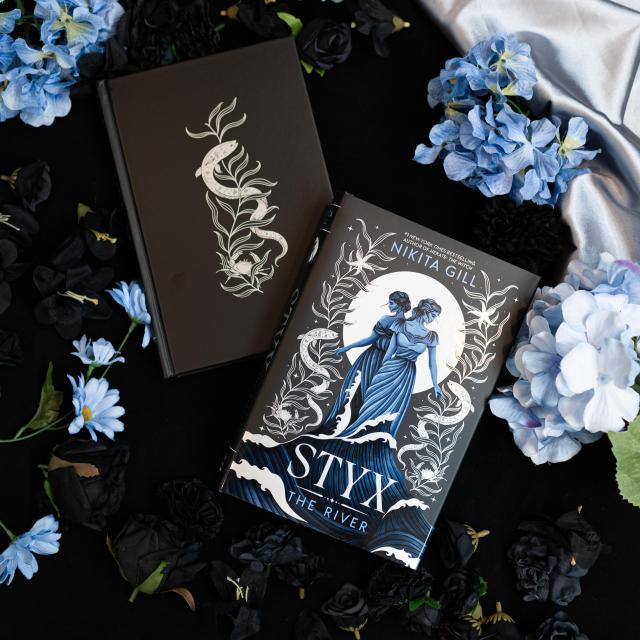
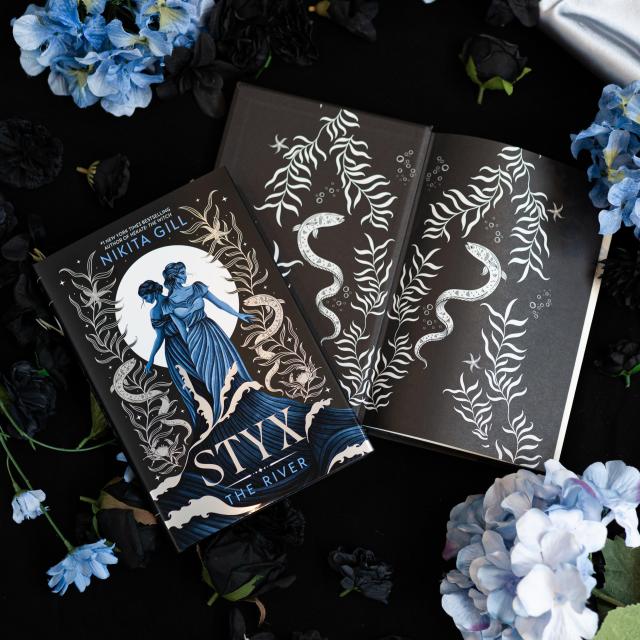
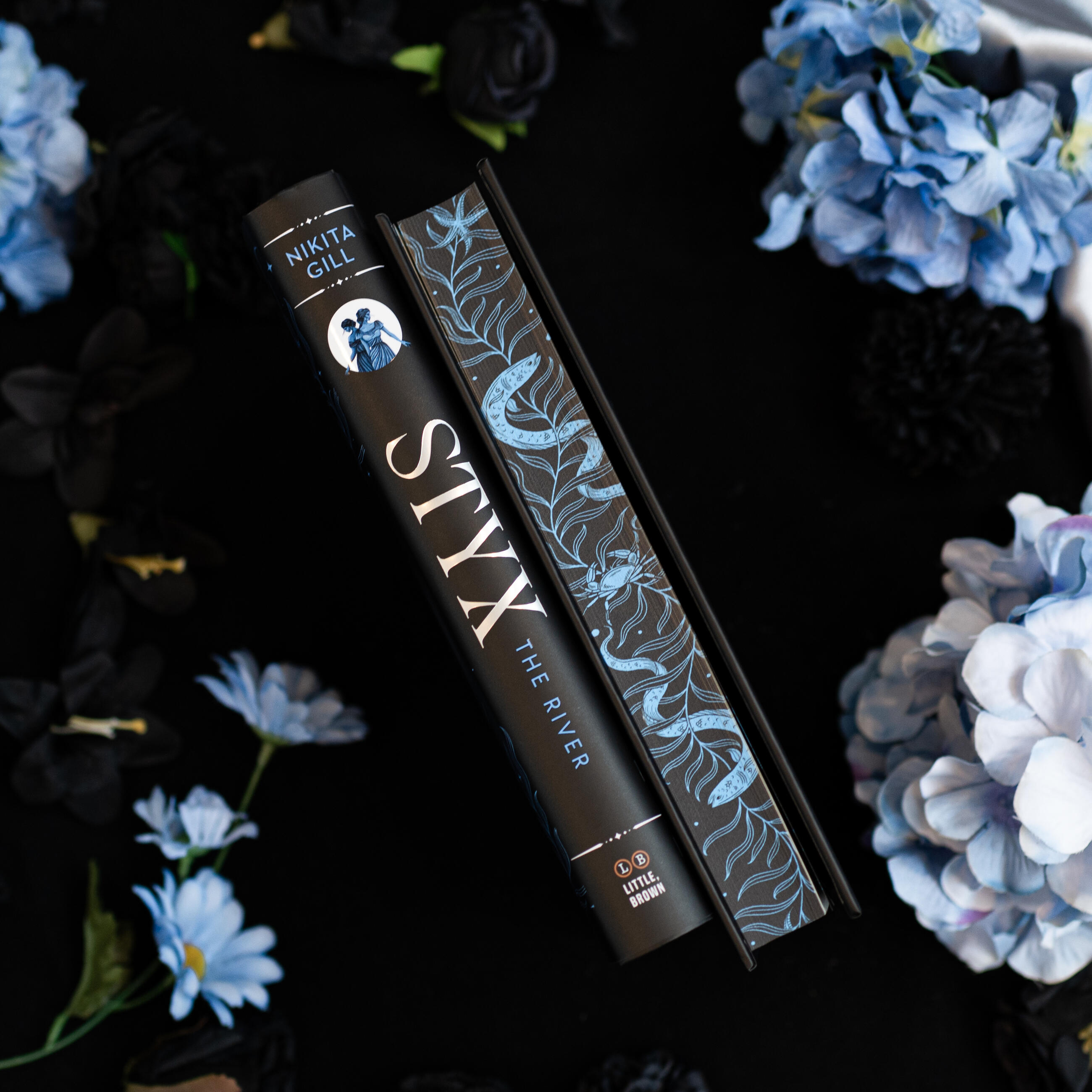
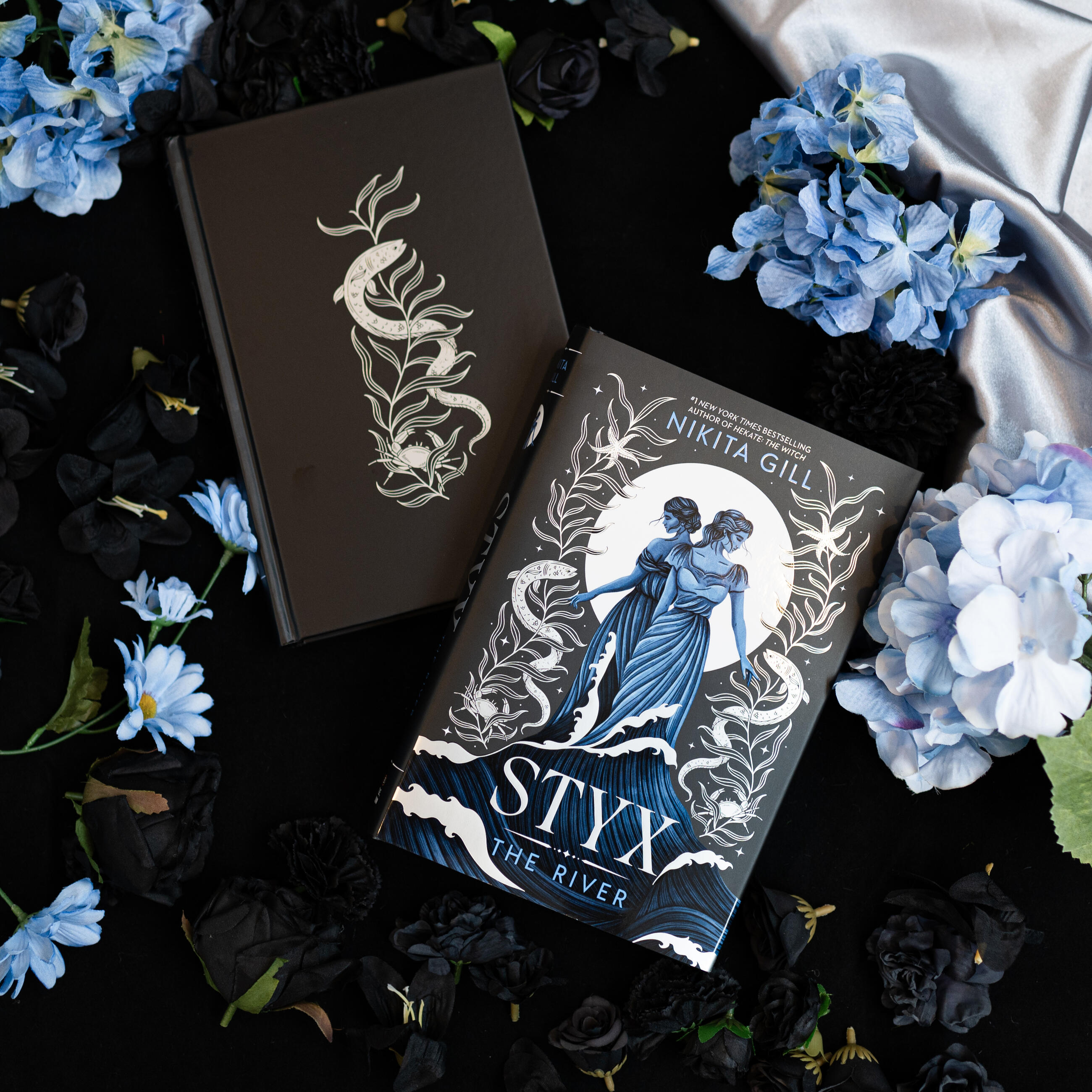
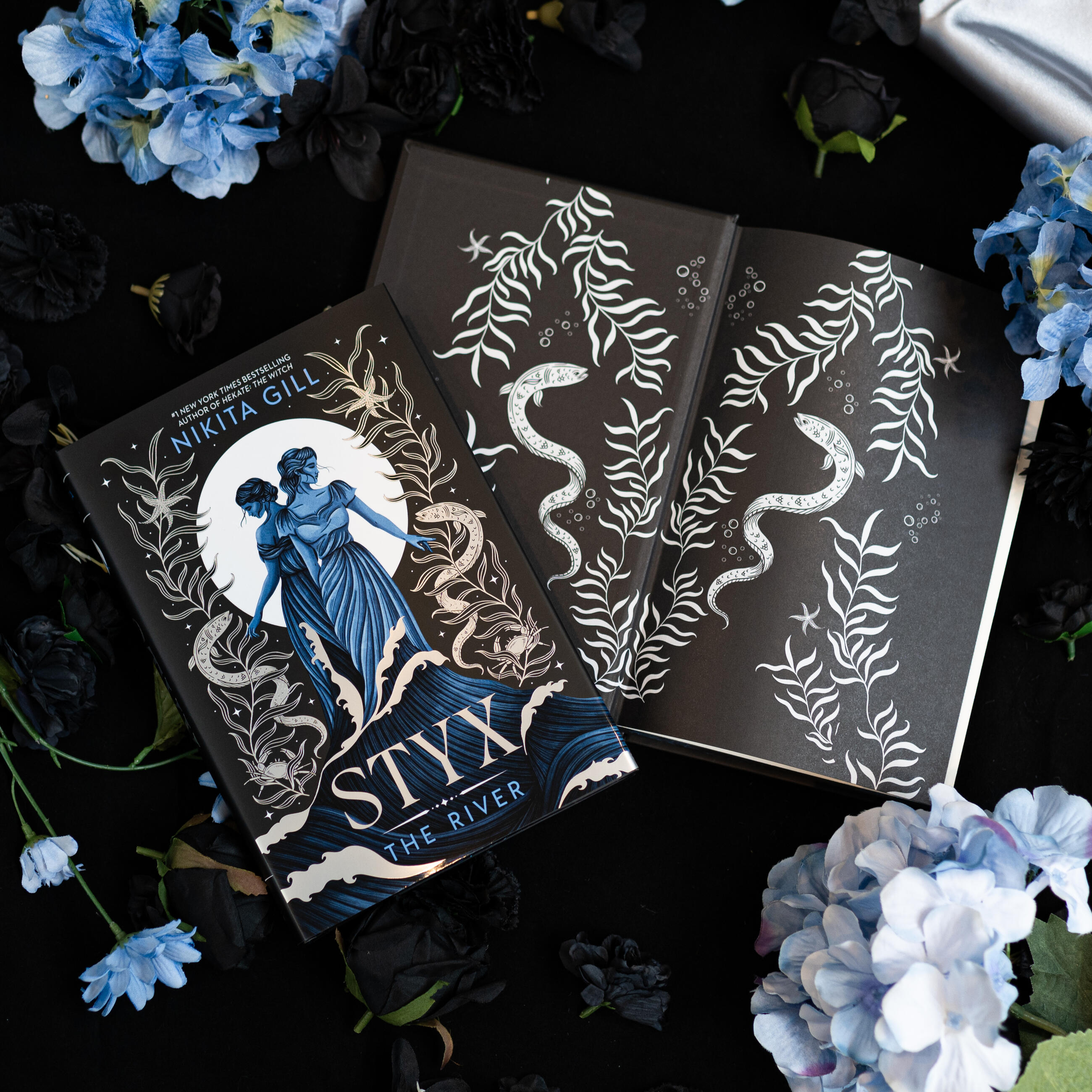
This gorgeous DELUXE LIMITED EDITION is available in the US and Canada while supplies last and includes:
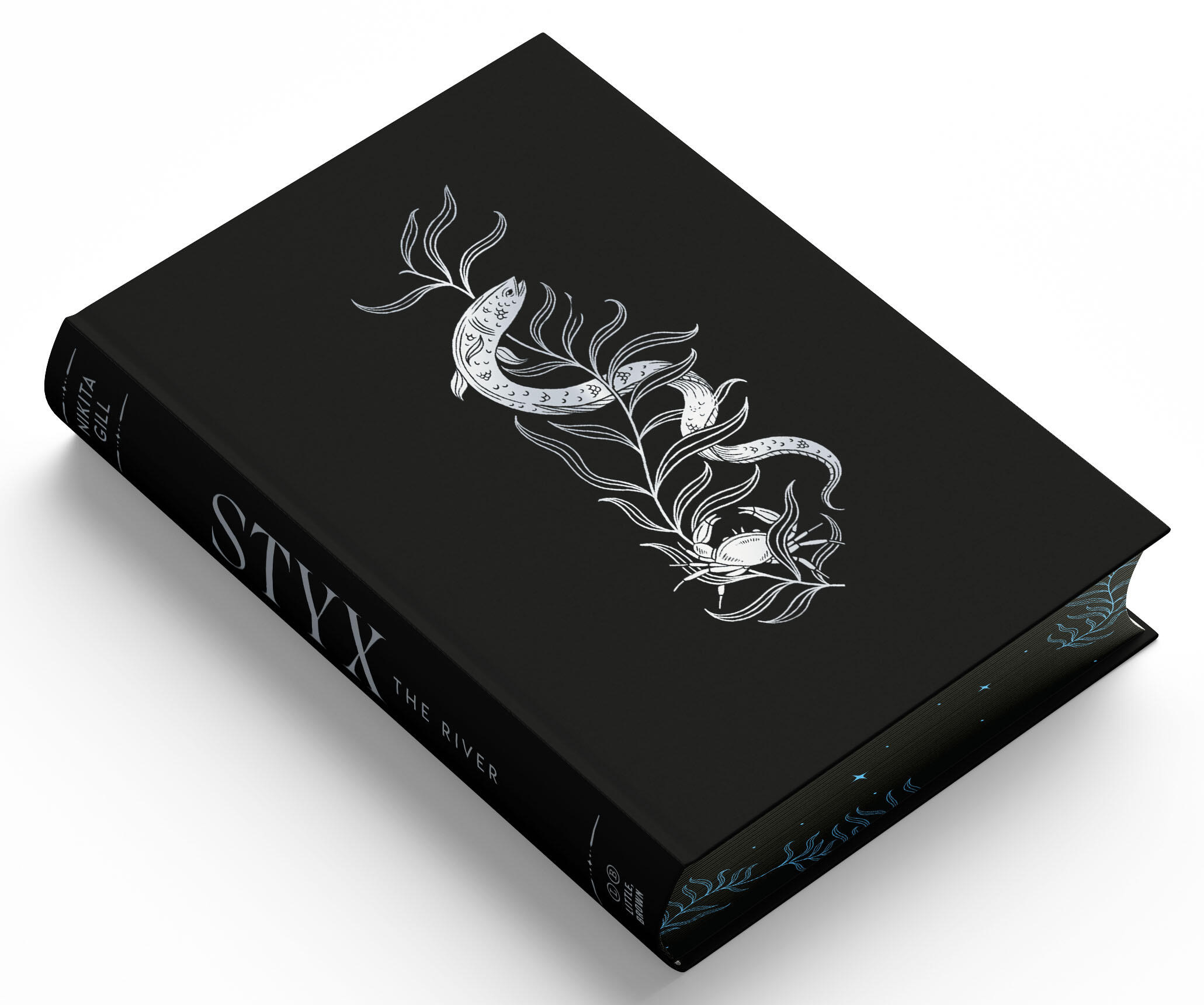
★ Foil and embossing
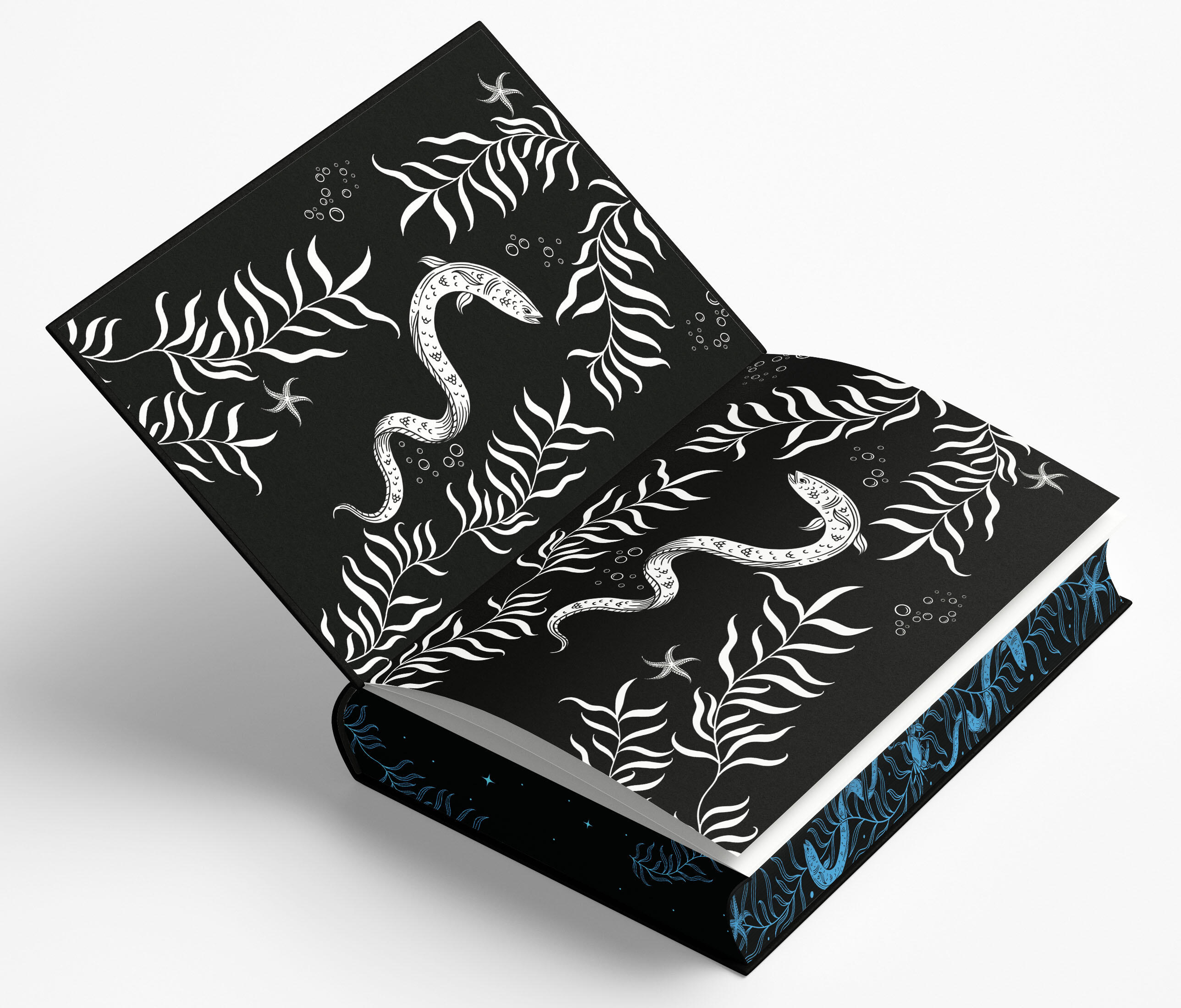
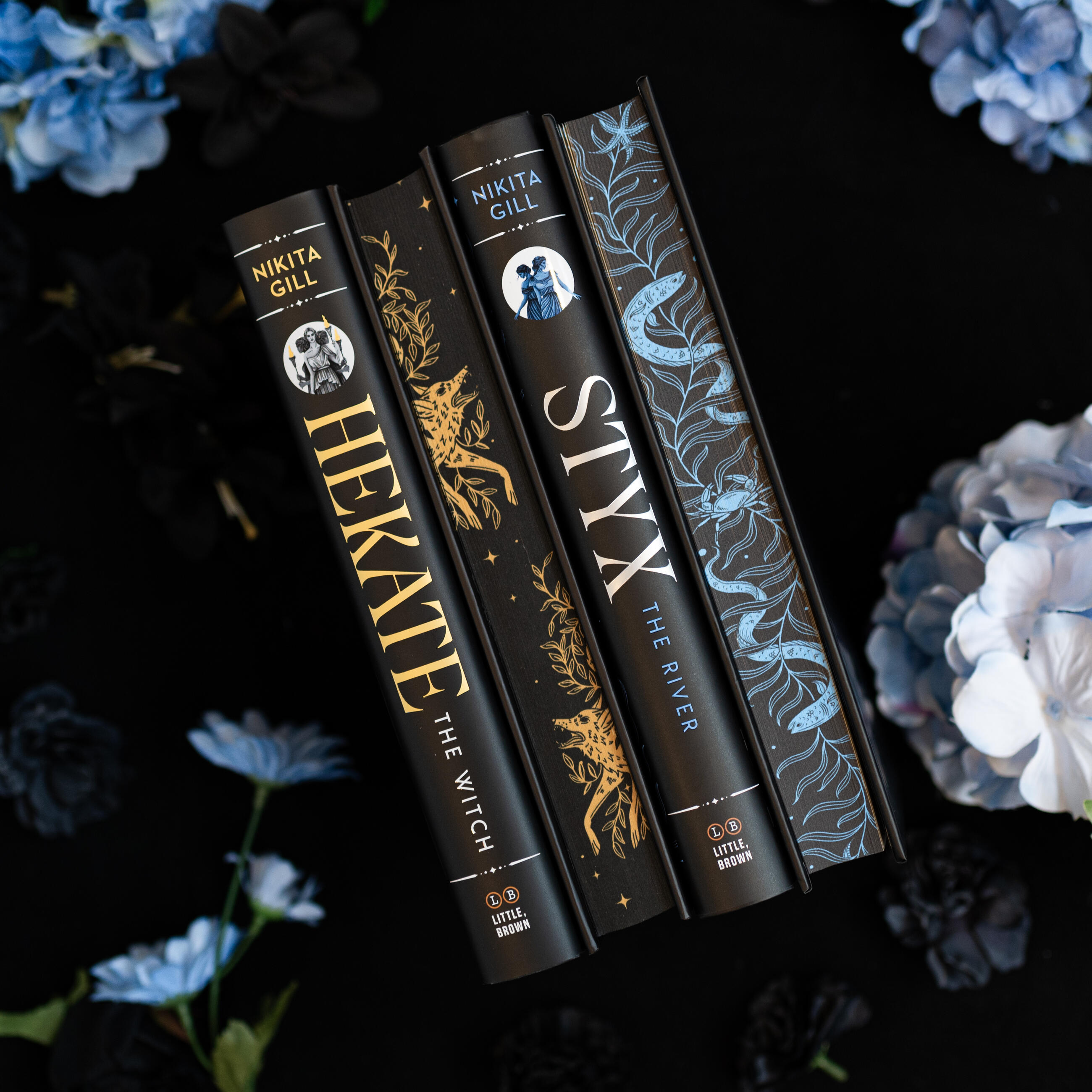
★ Designed edges
★ Special endpapers
★ Printed case
Beginning a generation before Hekate, Styx sings the story of the goddess of the underworld river that bears her name.
The firstborn child of Titans, Styx is revered as the first of her kind—until she is eclipsed and forgotten amid her scores of siblings, the Oceanids and the Potamoi.Coming of age in a world simmering with paranoia and unspoken fear of Zeus, Styx learns to conceal the rage ignited by her growing disillusionment with her parents and her vain and unkind siblings.
Instead, she finds solace and sisterhood in her cousin, Asteria. Together, they train in the arts of creation and magic. And as they seek to learn their divine purpose and their place within the Titanomachy, they discover both the joy sparked by true love and the fierce resilience birthed from motherhood.
In this lyrical and heartrending tale of sisterhood, identity, love, and war, Styx must carve her own path to womanhood—and ultimately, godhood.
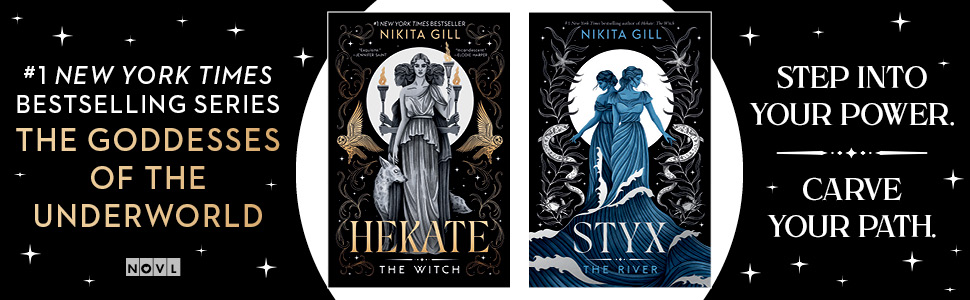
Meet all the Goddesses of the Underworld:
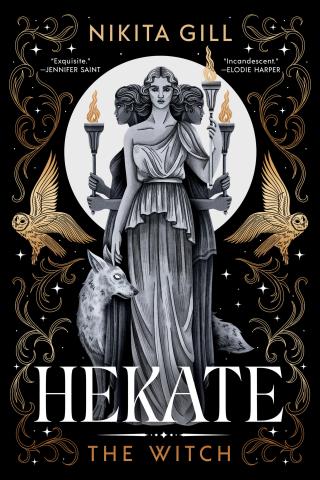
Hekate: The Witch
Styx: The River
Nyx: The Night
Formats and Prices
Price
$21.99Price
$28.99 CADFormat
Format:
- Hardcover (Special Edition) $21.99 $28.99 CAD
- ebook $12.99 $16.99 CAD
- Hardcover $19.99 $25.99 CAD
- Audiobook Download (Unabridged) $24.99
- Trade Paperback (Large Print) $21.99 $28.99 CAD
Preorder from Retailers:
You May Also Like


Preorder at your local indie bookstore for a signed bookplate with purchase!
Find participating stores below.

ABOUT THE AUTHOR

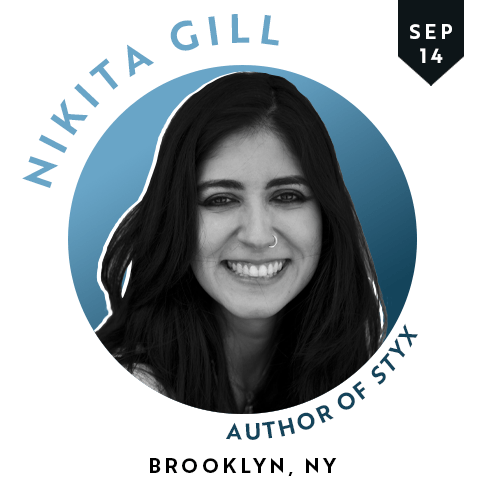
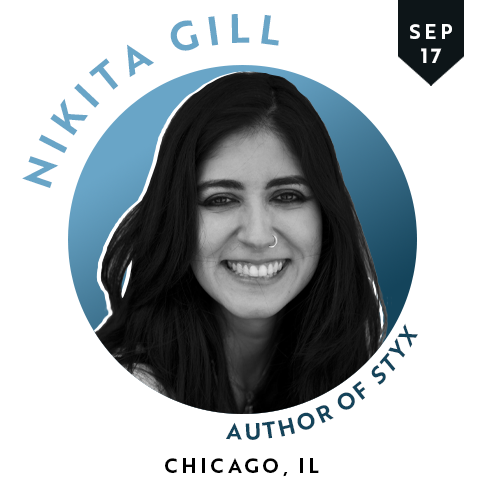
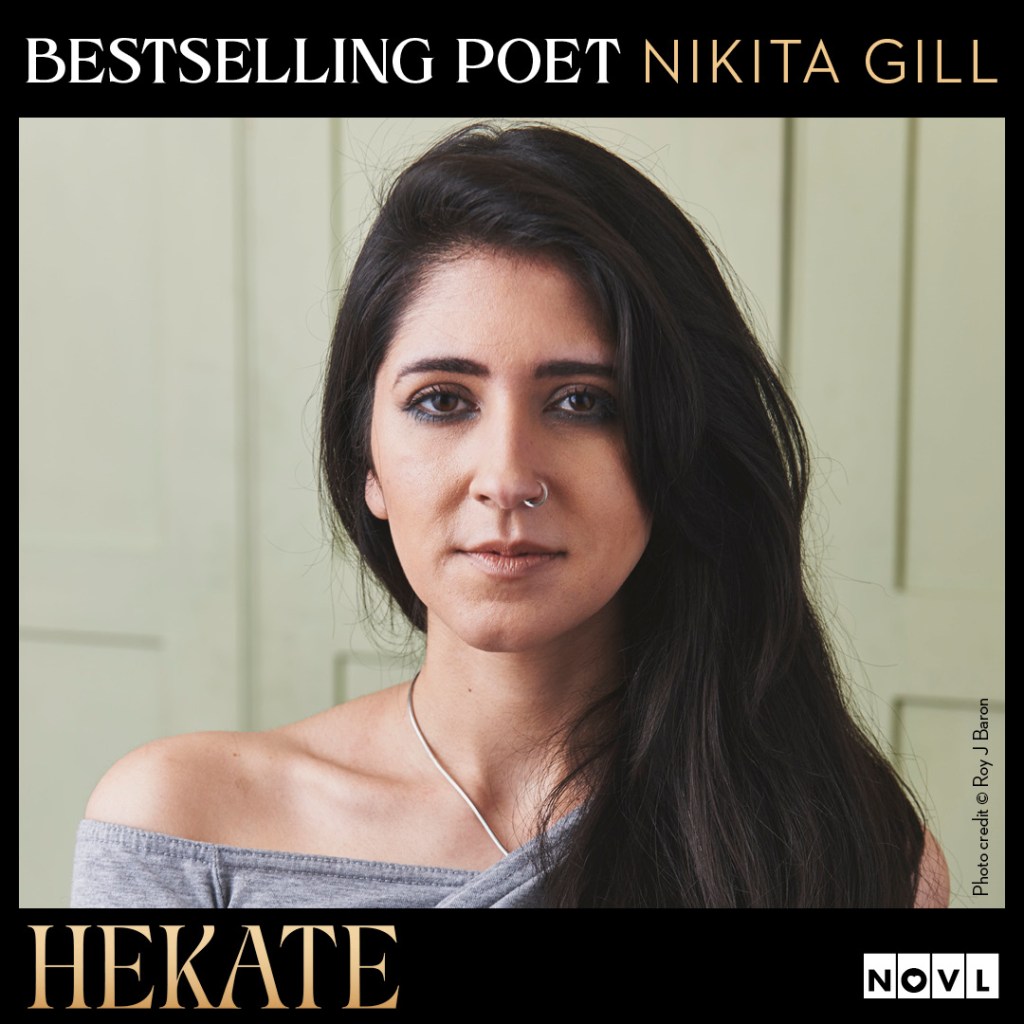
Nikita Gill is an Irish Indian poet and New York Times bestselling author who has the attention of over 800,000 Instagram followers worldwide for her work. Her work offers a shift of perspective which centers women in both Greek and Hindu myth as well as folklore. Gill has written two verse novels and seven poetry collections, including Fierce Fairytales, Wild Embers, and Where Hope Comes From which she published with Hachette Books.
Events

Fan Behavior
Author Video
From NOVL Nation
“If you are a lover of Greek mythology retellings, this is a book you will instantly fall in love with.”
–Michelle, @thebookrealmguide
Peek the Audiobook

STYX Book Club Guide
- On being called an “Oceanid,” Styx says, “Names can do that. They can become drowning. They can grow around your wrists and shackle you to their meaning” (p.14). How does being called “Oceanid” influence Styx’s identity, power, and sense of freedom?
- “Styx pushed and pulled at the rocks until finally my foot was free.” (p. 61). How does Styx saving Asteria shift their relationship, and what does it reveal about the two of them?
- “Hated that my father treated me like a possession, an object.” (p.139). How does this experience of being controlled shape Styx’s ideas around love and power?
- Asteria reflects that, “For us prophecies were a gift and a curse” (p. 168). In what ways do the prophetic dreams help Styx and Asteria, and in what ways do they cause harm?
- Asteria’s father says, “My daughter will spend eternity with a consort of her choice not mine.” (p. 183). Why might Asteria’s father hold a more progressive view than Oceanus, and what does that suggest about freedom and control in their world?
- Pallas questions Styx, “I am not your father Styx. I have only ever shown you love and grace. Do you still not trust me?” (p. 244). How does this moment of honesty force Styx to reflect? What convinces her to lower her guard.
- “No prophecy or dream could have prepared us for the unfathomable horror of divine war.” (p. 310). What does this line suggest about the limits of prophecies?
- “I understood his anger at me. But why at Bia?” (p. 335). Why do you think Pallas did not show up for Bia? What does that say about his character?
- “But in ending there is a beginning. And in beginnings there is hope of a new dawn.” (p. 373). What do you think the “new dawn” symbolizes for all moving forward?
- How does the alternating POV between Styx and Asteria change the reader’s understanding and interpretation of the novel?
- Why do you think this story was told through verse? In what ways did it bring the story to life?
- How does sisterhood shape the characters’ choices, conflicts, and growth throughout the story?
- How does Styx provide a deeper understanding of its companion novel Hekate?